

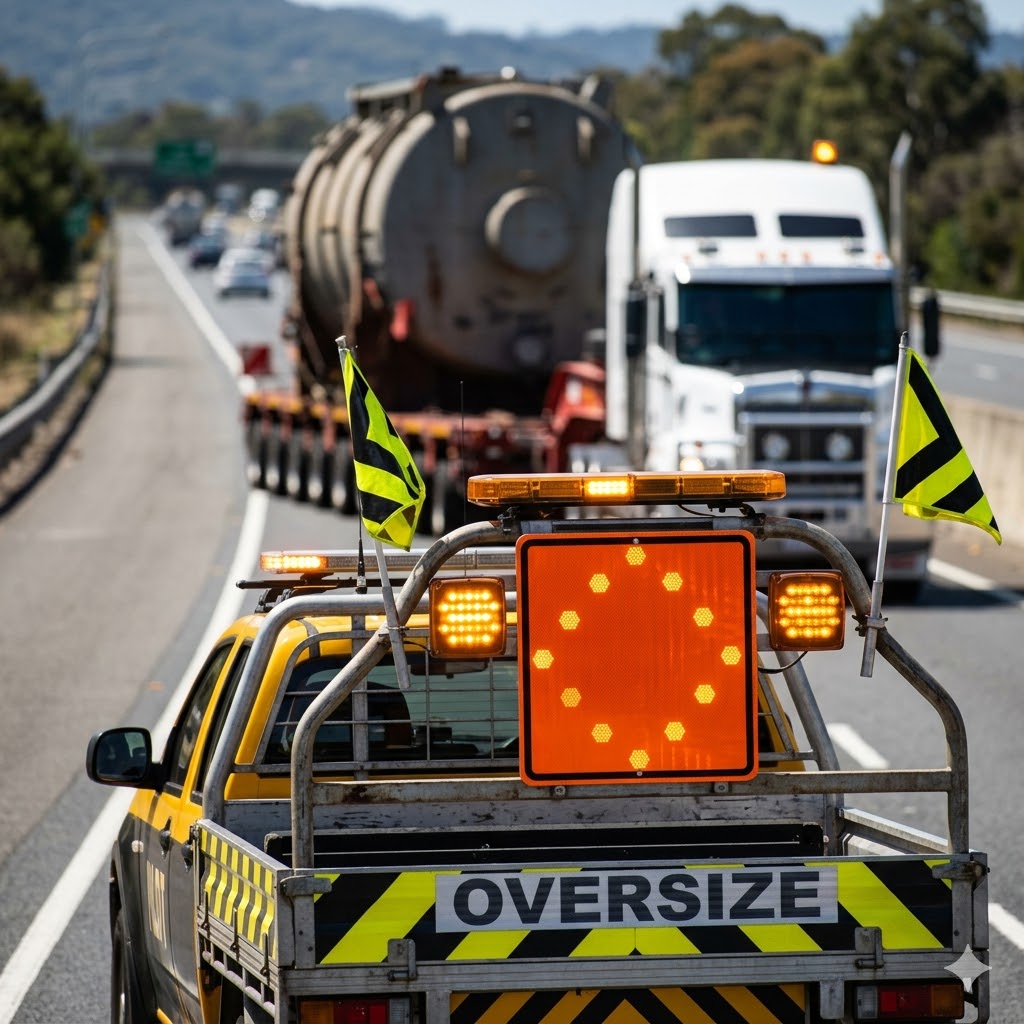
Pilot cars play essential safety roles in oversize load transportation by warning approaching traffic and guiding safe passage through challenging conditions. Proper signage forms a critical component of pilot car effectiveness, with specific requirements varying by state and load characteristics. Understanding these requirements ensures compliance and maintains safety during oversize load operations.
Federal Baseline Standards
Federal regulations establish minimum standards for oversize load signs under the Manual on Uniform Traffic Control Devices. MUTCD standards provide consistency across states while allowing individual jurisdictions to impose additional requirements. The federal baseline ensures basic recognition and understanding of oversize load warnings regardless of location.
Federal standards specify sign dimensions, colors, and lettering characteristics. Signs must be sufficiently large for visibility from required distances, typically measuring at least 12 inches tall by 60 inches wide. Lettering must be legible and proportioned according to MUTCD guidelines.
Color requirements under federal standards call for high-contrast combinations that remain visible in various lighting conditions. Black letters on yellow or orange backgrounds provide maximum visibility. Some jurisdictions specify exact color codes while others accept any high-visibility combination meeting contrast standards.
Sign Specifications and Dimensions
Standard oversize load signs typically measure 12 inches tall by 60 inches wide, though larger signs provide better visibility for exceptionally large loads. Sign height affects readability distance, with taller signs visible from farther away. Width accommodates the necessary text while fitting standard pilot car mounting systems.
Lettering size requirements ensure readability from required warning distances. Letters typically stand at least 10 inches tall, with some states requiring 12-inch lettering. Letter spacing and font selection affect readability, with simple sans-serif fonts providing clearest recognition.
Material specifications emphasize durability and weather resistance. Signs must withstand highway speeds, wind, rain, and sun exposure without degrading. Reflective materials enhance visibility in low-light conditions, though some states require separate nighttime illumination rather than relying solely on reflectivity.
Placement Requirements
Sign placement on pilot cars follows specific rules for maximum effectiveness. Front-mounted signs warn approaching traffic before they encounter the oversize load. Rear-mounted signs alert traffic from behind while indicating the extent of the oversize convoy. Some configurations require signs on both front and rear of pilot vehicles.
Mounting height affects visibility and wind resistance. Signs mounted too low become obscured by traffic or road features, while excessive height creates wind loading that stresses mounts. Typical mounting places signs at roof level or slightly above, providing clear visibility without excessive wind exposure.
Securement systems must hold signs firmly during highway speeds and wind conditions. Magnetic mounts work for temporary applications on metal surfaces but may not provide adequate security for extended trips. Dedicated mounting brackets offer superior security for frequent pilot car operations.
State-by-State Variations
California requires specific sign dimensions and placement with particular attention to visibility and durability. The state specifies exact text and color requirements, accepting limited variation from standard specifications. California also mandates additional equipment including flags and lighting that accompany signage requirements.
Texas implements detailed sign standards as part of comprehensive pilot car regulations. The state requires certification for pilot car operators and specifies equipment including proper signage. Texas rules emphasize sign visibility and legibility from required distances under various weather conditions.
Florida’s pilot car requirements include specific signage standards adapted to the state’s unique traffic conditions. Dense urban corridors and high-speed rural highways demand effective warning systems. Florida specifies sign characteristics and placement to address these varied operational environments.
Northeastern states including New York, Pennsylvania, and Massachusetts each maintain distinct sign requirements that reflect regional traffic patterns and infrastructure. These states typically require larger signs or additional warning equipment for operations through densely populated areas.
Midwestern states balance agricultural hauling needs with highway safety in their pilot car sign requirements. States like Nebraska, Kansas, and Iowa specify standards accommodating both rural and urban operations. Their requirements often include provisions for harvest season and agricultural equipment transport.
Illumination and Visibility
Daytime visibility standards ensure signs remain legible in bright sunlight and various weather conditions. High-contrast colors and non-glare surfaces prevent sun reflection from obscuring text. Some states require specific color codes meeting photometric standards for consistent visibility.
Nighttime visibility requires additional consideration beyond standard reflective materials. Many states mandate illuminated signs or auxiliary lighting that makes signs visible after dark. Illumination systems must not blind oncoming traffic while providing adequate sign visibility.
Weather-related visibility challenges demand signs that remain legible during rain, fog, and snow. Water-resistant materials prevent degradation from moisture while maintaining legibility when wet. Anti-fog coatings help signs remain visible in humid conditions.
Permanent Versus Temporary Signage
Permanent sign installations suit pilot car operators working regular routes or maintaining consistent operations. These installations use robust mounting systems, high-quality materials, and often integrate with vehicle lighting systems. Permanent signs justify higher initial costs through durability and convenience.
Temporary signage systems accommodate occasional pilot car operations or vehicles serving multiple purposes. Quick-mount systems allow rapid installation and removal for vehicles that don’t operate as dedicated pilot cars full-time. Temporary signs must still meet all regulatory requirements despite their removable nature.
Magnetic mounts provide convenience for temporary applications but require adequate metal surface area and secure attachment. Wind forces at highway speeds can dislodge poorly secured magnetic signs, creating hazards and violations. Operators must verify magnet strength and attachment security before each use.
Additional Equipment Requirements
Flags supplement signage in many jurisdictions, providing additional visual warnings. Red or orange flags mounted on pilot cars flutter in wind, creating movement that attracts attention. Flag dimensions and placement follow state specifications, typically requiring 18-inch square flags on extended staffs.
Lighting requirements often accompany sign mandates, with amber rotating or flashing lights warning traffic of oversize operations. Light specifications cover intensity, flash patterns, and placement. Some states require specific light colors or patterns for pilot car identification.
Communication devices enable coordination between pilot cars and permitted vehicles. Two-way radios allow pilots to warn drivers of upcoming hazards, traffic conditions, or clearance issues. CB radios provide backup communication and allow monitoring of general traffic conditions.
Compliance and Inspection
Inspection procedures at weigh stations and checkpoints verify pilot car sign compliance. Officers check sign dimensions, text legibility, and proper mounting. Inadequate signage results in citations and potential permit violations affecting the entire oversize load operation.
Maintenance requirements ensure signs remain compliant throughout their service life. Regular inspection catches fading, damage, or wear before it creates compliance problems. Replacing worn signs maintains safety and prevents violations.
Documentation of sign specifications helps demonstrate compliance during inspections. Keeping records of sign purchases, installation dates, and maintenance helps operators verify they meet requirements if questioned by enforcement.
Professional Pilot Car Coordination
Reliable Permit Solutions provides comprehensive pilot car coordination services including properly equipped escort vehicles. Our pilot car network includes experienced operators with compliant signage, lighting, and equipment meeting all state requirements. We ensure pilot cars match load specifications and route requirements.
Equipment verification forms part of our pilot car coordination process. We confirm signage dimensions, text, colors, and mounting meet requirements for each jurisdiction along routes. This verification prevents compliance problems from inadequate pilot car equipment.
Operator experience matters as much as proper equipment. Our pilot car network includes experienced operators who understand positioning, traffic management, and communication protocols. They navigate urban areas, rural highways, and complex routing while maintaining safety and compliance.
Contact Reliable Permit Solutions at (888) 949-4220 for professional pilot car coordination with properly equipped and experienced escort operators. Our comprehensive services ensure your oversize loads move safely with compliant pilot car support throughout your routes.