

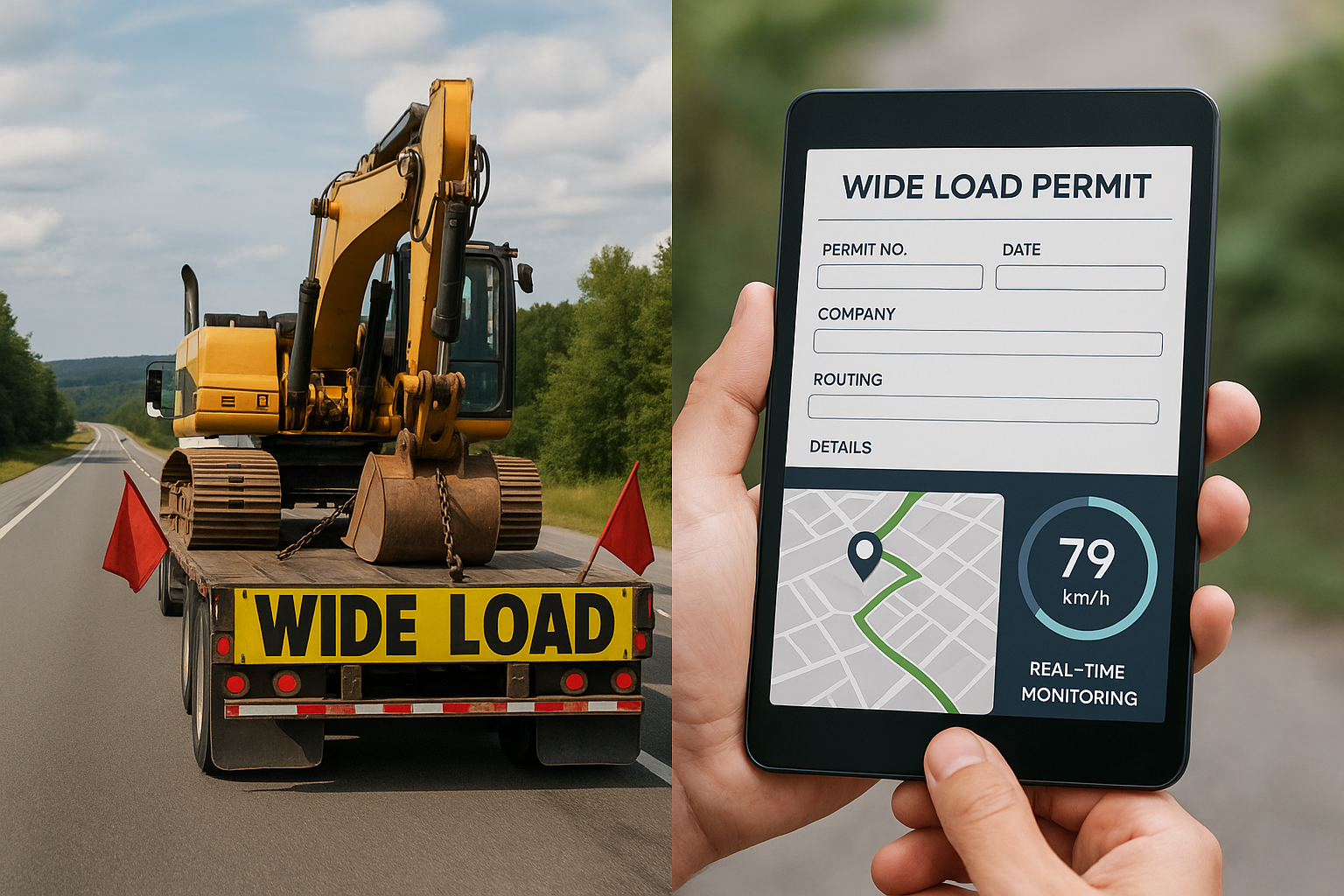
Idaho oversize permits authorize commercial transportation of loads exceeding standard legal dimensions through the Gem State’s mountainous terrain and rural highways. Idaho’s position as a critical north-south corridor connecting the Pacific Northwest and as a major east-west route requires careful permit compliance for carriers hauling oversized equipment, machinery, and construction materials. Understanding Idaho Transportation Department (ITD) regulations, mountain pass restrictions, seasonal limitations, and proper application procedures ensures your oversized loads move safely and legally through Idaho’s diverse landscape from high desert valleys to steep mountain grades.
Idaho Oversize Permits Overview
Idaho oversize permits grant authorization for commercial vehicles and loads exceeding the state’s legal dimension and weight limits. Standard limits in Idaho include 14 feet height on certain routes (lower on others), 8 feet 6 inches width, varying length restrictions by vehicle configuration, and 80,000 pounds gross vehicle weight. Loads exceeding these thresholds require appropriate oversize permits from the Idaho Transportation Department.
Idaho’s mountainous terrain and varied climate create unique challenges for oversized load transportation. Mountain passes with steep grades, seasonal weather restrictions, and rural highway conditions all affect routing and timing for permitted movements. Understanding ITD requirements and planning accordingly ensures successful oversized load transportation through Idaho.

Types of Idaho Oversize Permits
Idaho offers single trip permits for one-time oversized movements, annual permits for carriers making frequent oversized trips through the state, and superload permits for extremely large or heavy loads. Single trip permits suit carriers making occasional oversized deliveries through Idaho, while annual permits provide better value for companies regularly hauling oversized loads through the state.
Superload permits address loads significantly exceeding standard oversize limits, requiring engineering analysis, route surveys, and extensive coordination with ITD and utility companies. These permits involve longer processing times and substantially higher costs due to the complex approval and coordination requirements.
Idaho Transportation Department Requirements
ITD requires detailed application information including complete vehicle specifications, exact load dimensions and weights, proposed routing with origin and destination, and anticipated travel dates. Insurance documentation proving adequate coverage for the oversized movement must accompany applications. Carrier credentials including motor carrier authority and DOT number verification are part of the application review.
Route planning is critical in Idaho given the state’s geography. Carriers must identify specific highways and roads they intend to use, with ITD reviewing routing for infrastructure compatibility. Some routes may be prohibited for certain load dimensions due to bridge clearances, road widths, or geometric restrictions at curves and intersections.
Mountain Pass and Grade Restrictions
Idaho’s mountainous terrain presents significant challenges for oversized loads. Fourth of July Pass on Interstate 90 between Coeur d’Alene and Wallace, Lolo Pass on US Route 12 near the Montana border, and Lookout Pass on Interstate 90 at the Montana border all involve steep grades and tight curves affecting oversized load movements.
Grade restrictions may limit vehicle and load weights on steep mountain routes. Brake check areas are mandatory stops for commercial vehicles on certain grades, ensuring equipment is functioning properly before descent. Some passes have seasonal restrictions or closures during winter months, affecting routing options during those periods.
Pilot Car and Escort Requirements
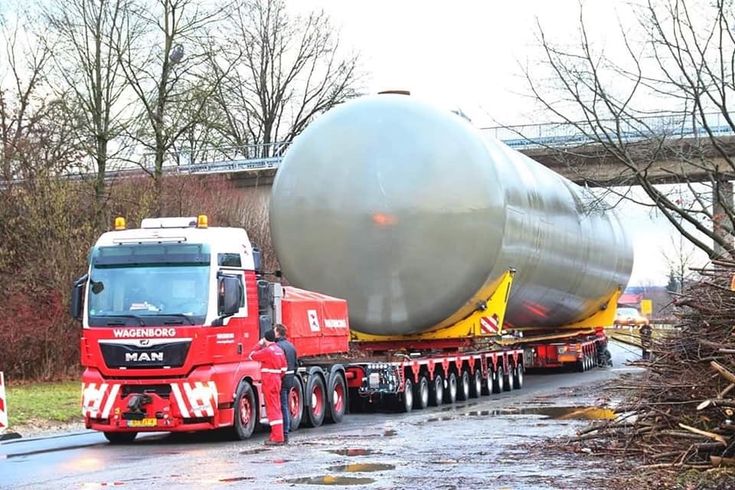
Idaho requires pilot car escorts for oversized loads exceeding specified width and height thresholds. Typically, loads 12 feet wide or wider require one escort, with wider loads potentially requiring front and rear escorts. Height-based escort requirements protect against clearance issues with overhead structures.
Idaho pilot car operators must meet state certification requirements and carry specific equipment including proper signage, lights, and communication devices. Coordination between the oversized load driver and escort vehicles is essential for safe navigation through challenging terrain and traffic conditions.
Idaho Permit Costs and Fees
Idaho oversize permit fees include base permit costs and surcharges based on the degree to which loads exceed legal limits. Modest oversize loads pay lower surcharges, while extreme dimensions trigger substantially higher fees. Annual permits cost more upfront but provide unlimited trips within the permit year, offering excellent value for frequent haulers.
Superload permits involve the highest costs due to engineering review requirements, potential route surveys, utility coordination, and law enforcement escort expenses. Carriers should budget several thousand dollars for superload permits depending on load characteristics and routing complexity.
Route Planning Through Idaho
Interstate 84 provides Idaho’s primary east-west corridor, connecting Oregon to Utah while passing through Boise and other population centers. This route offers relatively moderate terrain through southern Idaho but includes significant elevation changes. Interstate 15 serves as a north-south route through eastern Idaho, connecting Montana to Utah.
US Route 95 provides a north-south alternative through western Idaho, accessing remote areas and connecting Interstate 84 to Interstate 90. This route encounters varied terrain and more rural conditions than interstate highways. US Route 20 crosses central Idaho, offering access to eastern portions of the state but with more restrictive conditions for oversized loads.

Seasonal Considerations
Winter weather significantly impacts oversized load transportation in Idaho. Mountain passes experience frequent snow and ice from November through March, with chain requirements common during winter months. Some passes may close temporarily during severe weather, requiring carriers to delay travel or use alternative routes.
Spring brings road restriction seasons in some areas due to frost laws protecting roads during thaw periods. These restrictions may limit axle weights on certain routes, affecting heavy load transportation. Summer generally offers the most favorable conditions, though wildfire season can create routing challenges. Fall provides good travel conditions before winter weather arrives.
Professional Permit Services
Idaho’s mountainous terrain and seasonal restrictions make professional permit services valuable for carriers planning oversized load movements through the state. Reliable Permit Solutions understands Idaho Transportation Department requirements and can coordinate permit applications while providing route consulting for challenging terrain.
Expert route planning helps carriers identify optimal paths through Idaho’s mountains, avoiding unnecessarily restrictive routes while ensuring infrastructure compatibility. Professional coordination of permits, escorts, and travel timing reduces risk and streamlines the permitting process.
Conclusion
Idaho oversize permits require careful planning and attention to terrain challenges. Understanding ITD requirements, mountain pass restrictions, seasonal limitations, and escort requirements ensures successful oversized load transportation through the Gem State.
For professional assistance with Idaho oversize permits and route consulting, contact Reliable Permit Solutions at (888) 949-4220. Their experienced team navigates Idaho’s permitting system and challenging terrain to keep your oversized loads moving safely and legally.