


Washington trip permits provide temporary registration authority for commercial vehicles operating in Washington State without current IRP apportionment or Washington registration. Whether you’re delivering freight to Seattle, hauling equipment through mountain passes, or traveling the I-5 corridor from Oregon to Canada, Washington’s unique permit requirements and strict commercial vehicle regulations demand careful compliance. Understanding Washington Department of Licensing regulations, permit types, cost structures, and proper application procedures ensures legal operation while navigating Washington’s diverse terrain from coastal regions to mountain passes.
Understanding Washington Trip Permits
Washington trip permits authorize temporary vehicle registration for commercial vehicles operating within Washington State without permanent Washington registration or IRP apportionment credentials. The Washington Department of Licensing administers the trip permit program, which serves as the regulatory authority for commercial vehicle registration in the state.
Commercial vehicles with gross vehicle weight exceeding 26,000 pounds typically require Washington trip permits when operating without proper registration credentials. Washington’s enforcement of commercial vehicle regulations is particularly rigorous, with strict penalties for operating without required permits making compliance essential for carriers entering the state.
Types of Washington Trip Permits
Washington offers several trip permit duration options to accommodate different operational needs. Single trip permits authorize one continuous journey through Washington, providing cost-effective authorization for carriers making one-time deliveries or passing through the state. Three-day permits offer 72 consecutive hours of operating authority, suitable for carriers with delivery schedules requiring flexibility or multiple stops within Washington.
Ten-day permits serve carriers with more extensive Washington operations or those making multiple trips during short timeframes. These longer-duration permits provide better per-day value compared to purchasing multiple short-term permits, making them economical choices for carriers with frequent Washington travel.
Application Process
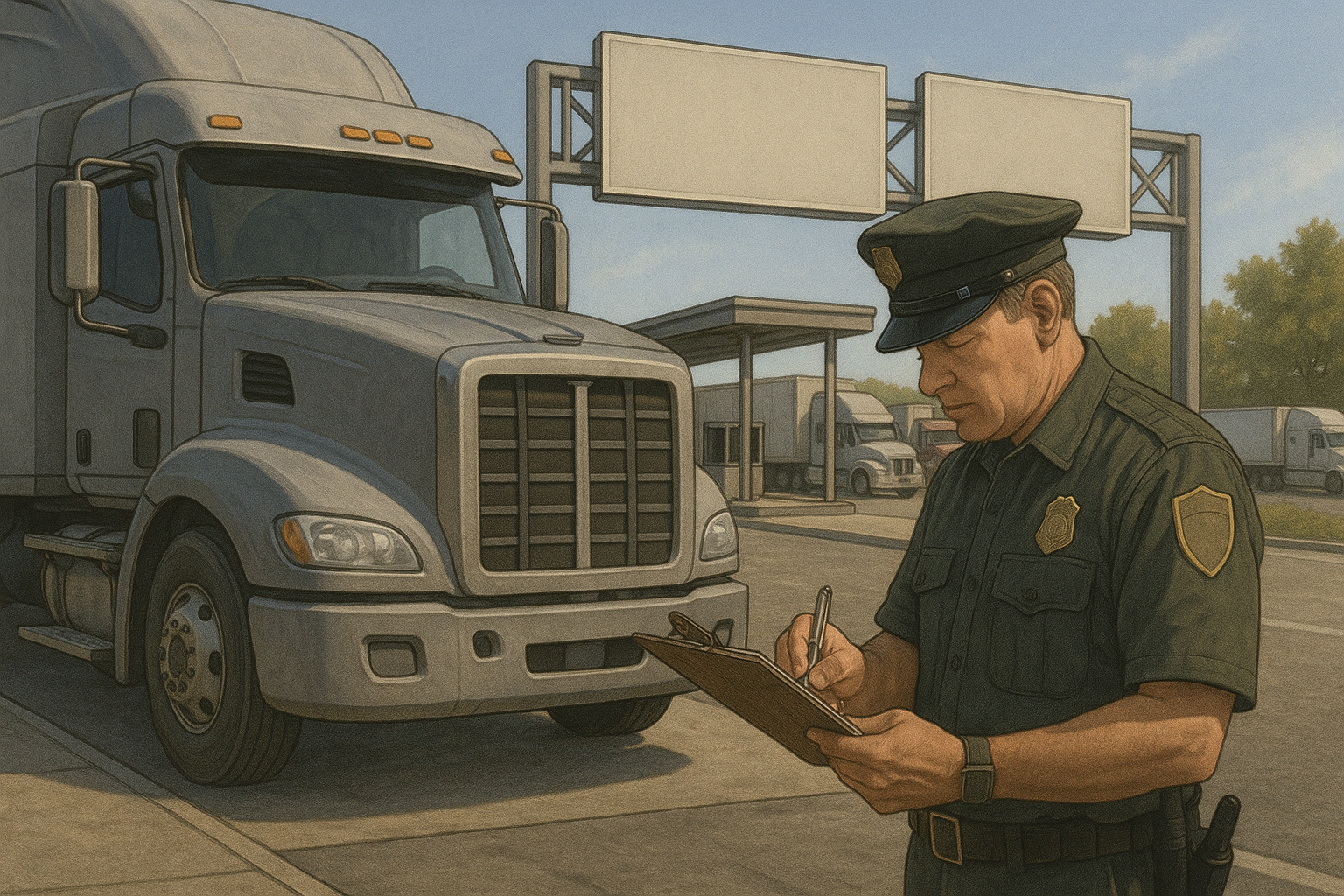
Washington provides both online and in-person permit acquisition options. The Washington Department of Licensing operates an online portal where carriers can submit applications, pay fees electronically, and receive permits digitally. This system allows 24/7 access, accommodating carriers who need permits outside regular business hours.
Port of entry facilities at Washington’s borders with Oregon and Idaho offer in-person permit purchase for carriers entering the state. Major port locations include facilities on Interstate 5 at the Oregon border, Interstate 82 near the Oregon border, and US Route 395 and other entry points from Idaho. These facilities operate during staffed hours, with some locations offering extended service during peak commercial traffic periods.
Washington Trip Permit Costs
Washington trip permit fees are based on vehicle weight and permit duration. Single trip permits typically range from $25 to $50 depending on vehicle configuration and declared gross weight. Three-day permits generally cost $35 to $75, while 10-day permits provide extended authority at rates that offer better value for carriers with longer Washington operations.
Accurate weight declarations are critical for proper fee assessment and compliance. Underdeclaring vehicle weight to reduce permit costs creates violations that can result in penalties exceeding any initial savings from lower permit fees.
Route Planning Through Washington
Washington’s transportation network includes diverse routing options across varied terrain. Interstate 5 serves as the primary north-south corridor through Washington, connecting Oregon to British Columbia while passing through major population centers including Vancouver, Olympia, Tacoma, Seattle, and Everett. This corridor experiences heavy traffic, particularly through the Seattle metropolitan area where congestion can significantly impact travel times.
Interstate 90 provides the major east-west route across Washington, traversing Snoqualmie Pass in the Cascade Mountains. This corridor connects Seattle to Spokane and continues into Idaho, serving as a critical freight link between the Pacific Northwest and inland regions. Interstate 82 offers another important route through south-central Washington, connecting Interstate 90 to Interstate 84 in Oregon.
Mountain Pass Requirements
Washington’s mountain passes present seasonal challenges for commercial vehicles. Snoqualmie Pass on Interstate 90, Stevens Pass on US Route 2, White Pass on US Route 12, and Blewett Pass on US Route 97 all experience winter weather requiring chain equipment and potentially restricting travel during severe conditions.
Washington enforces strict chain requirements during winter weather, with chain law in effect when conditions warrant. Commercial vehicles must carry adequate chains and install them when required or face citations and potential travel delays. Pass closure monitoring is essential during winter months, as severe weather can temporarily close passes to all traffic.
Seattle Metro Area Regulations
Seattle’s metropolitan area includes numerous considerations for commercial vehicle operations. Complex interstate exchanges, bridge crossings with varying weight limits, tunnel restrictions, and peak traffic congestion all affect routing decisions. The downtown Seattle area and certain neighborhoods have restrictions on through-truck traffic, requiring careful route planning to avoid prohibited areas.
Several bridges in the greater Seattle area have weight restrictions below standard highway allowances. Carriers should verify weight limits for bridges along their intended routes, particularly when operating near maximum allowable weights. Tunnel restrictions in Seattle prohibit certain hazardous materials and may have height limitations affecting high-profile loads.

Professional Permit Services
Washington’s specific permit requirements and strict enforcement make professional permit services valuable for carriers, particularly those making occasional trips through the state. Reliable Permit Solutions understands Washington Department of Licensing regulations and can coordinate trip permit applications to ensure proper authorization before carriers enter the state.
Professional services handle application submission, fee calculations, and permit delivery, streamlining the process and providing compliance assurance. This expertise proves especially beneficial for carriers coordinating multi-state movements where Washington is one of several jurisdictions requiring permits.
Conclusion
Washington trip permits require careful attention to ensure legal commercial vehicle operations throughout the state. Understanding permit types, application processes, and Washington’s specific requirements protects carriers from violations while enabling smooth operations through this Pacific Northwest state.
For professional assistance with Washington trip permits, contact Reliable Permit Solutions at (888) 949-4220. Their experienced team navigates Washington’s permitting system to keep your trucks moving legally through the Evergreen State.