


Wide load permits authorize commercial transportation of cargo exceeding standard width limits on public highways, typically required when loads exceed 8 feet 6 inches wide. From construction equipment and manufactured homes to industrial machinery and oversized containers, wide load permits are essential for moving freight that can’t be divided to meet legal width restrictions. Understanding federal guidelines, state-specific width limits, escort requirements, travel restrictions, and proper application procedures ensures your wide loads move safely, legally, and efficiently across any jurisdiction while protecting both your cargo and other highway users.
Understanding Wide Load Permits
Wide load permits authorize the movement of vehicles and cargo exceeding standard legal width limits on public roadways. In most states, the legal maximum width without permits is 8 feet 6 inches (102 inches), matching federal highway standards for commercial vehicles. Any load exceeding this width requires an overwidth or wide load permit, regardless of the distance traveled or route type.
Wide loads present unique challenges for highway safety, as they extend into adjacent lanes and require other motorists to adjust their positioning. Proper permitting ensures state transportation departments are aware of wide load movements, can assess routing for adequate road width and clearances, and can impose necessary safety requirements such as escort vehicles and travel time restrictions.

Standard Legal Width Limits
Federal regulations establish 102 inches (8 feet 6 inches) as the maximum width for commercial vehicles operating on the national network of highways. This width accommodates standard tractor-trailers and other commercial vehicles without special permits. However, this measurement includes only the vehicle body and cargo, not mirrors or other minor protrusions that don’t extend significantly beyond the vehicle.
State variations in legal width limits are relatively minor, with most states adopting the federal 8’6″ standard. Some states allow slightly greater widths on specific route types or for certain vehicle categories. Understanding the specific legal width in each state you’ll travel through ensures you obtain necessary permits for any width exceeding local standards.
Width Categories and Requirements
Permit requirements increase as load width increases, with most states establishing threshold categories for different safety measures. Loads from 8’7″ to 10 feet wide typically require basic overwidth permits with minimal additional requirements beyond the permit itself. This category represents relatively minor overwidth and generally moves with standard commercial traffic flow.
Loads from 10 to 12 feet wide trigger additional requirements in many states, potentially including daytime-only travel restrictions and enhanced signage or lighting. Widths from 12 to 14 feet commonly require pilot car escorts, with specific escort positioning (front, rear, or both) varying by state and exact width. Loads 14 to 16 feet wide face increasingly restrictive requirements including multiple escorts, enhanced lighting, and carefully reviewed routing. Loads exceeding 16 feet wide enter superload territory, requiring extensive engineering review, route surveys, and special coordination with state transportation departments.
Pilot Car and Escort Requirements
Width-based escort requirements protect public safety by providing advance warning to other motorists and helping wide load drivers navigate traffic and tight clearances. Most states require at least one pilot car for loads 12 feet wide or wider, with the escort typically positioned ahead of the wide load to warn oncoming traffic and clear the path.
Extremely wide loads may require both front and rear escorts, with the rear escort protecting the wide load from following traffic and providing warning to overtaking vehicles. Some states require side escorts or additional vehicles for loads approaching 16 feet or wider, creating a protective buffer around the oversized movement.
Wide Load Signage Requirements
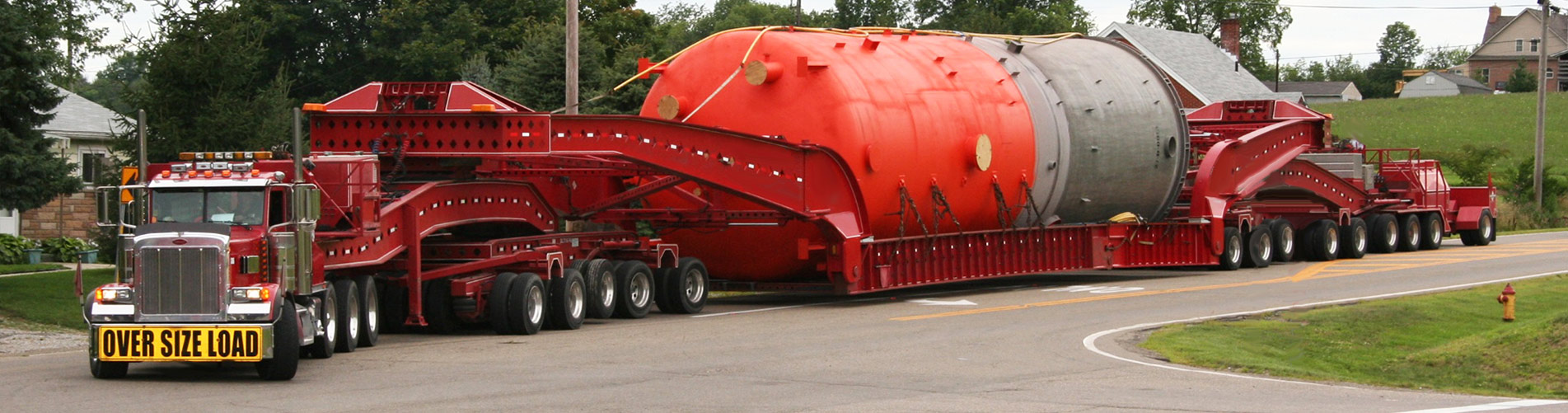
All wide load movements require prominent signage alerting other motorists to the oversized width. Signs reading “WIDE LOAD” or “OVERSIZE LOAD” must be displayed on the vehicle, with specific requirements varying by state. Most states require signs on both the front and rear of the vehicle carrying the wide load, with some requiring additional signs on the load itself.
Sign specifications typically mandate minimum dimensions to ensure visibility, often 5 feet wide by 12 inches tall or larger. Reflective material is usually required, allowing signs to remain visible at night and in low-light conditions. Some states specify exact sign colors, mounting positions, and even letter sizes to standardize wide load warnings across different carriers and load types.
Travel Time Restrictions
Most states restrict wide load travel to daylight hours only, recognizing the safety challenges of moving oversized widths in darkness when visibility is reduced. Typical restrictions limit travel to sunrise to sunset or specified hour ranges such as 7:00 AM to 5:00 PM. These restrictions ensure adequate visibility for both the wide load driver and other motorists sharing the roadway.
Weekend and holiday travel restrictions are common for wide loads, particularly loads exceeding 12 feet wide. Many states prohibit wide load movements on Friday afternoons, weekends, and major holidays when recreational traffic increases. States with tourist destinations or seasonal traffic patterns may have additional restrictions during peak travel periods.
Route Planning for Wide Loads
Effective route planning is critical for wide load success. Route surveys identify potential width restrictions including narrow bridges, tight curves, road width limitations, and areas where oncoming traffic must be controlled for safe passage. State transportation departments review proposed routes during permit application processing, sometimes requiring specific routing or prohibiting certain roads.
Interstate highways generally provide the most accommodating routing for wide loads due to standardized design criteria and wider lanes. However, even interstates have areas with reduced shoulder widths, concrete barriers close to travel lanes, or construction zones that may restrict wide loads. US highways and state routes offer more varied conditions, with some sections suitable for wide loads and others too narrow for safe passage.

Application Process
Wide load permit applications require detailed information about the load including exact width measurements, vehicle specifications, proposed routing, and travel dates. Most states offer online application systems allowing carriers to submit applications electronically and receive approved permits via email for printing. Processing times vary from instant approval for routine widths to several business days for extremely wide loads requiring route analysis.
Some states maintain manual application processes requiring paper submissions or in-person applications at DOT offices. These processes generally involve longer processing times and less flexibility for carriers needing permits quickly. Advanced planning and early application submission prevent delays from extended processing periods.
Multi-State Wide Load Coordination
Wide loads crossing multiple states require obtaining separate permits from each jurisdiction, as each state maintains independent permitting authority. Coordinating these applications ensures continuous permit coverage throughout the journey, with permit validity periods aligning so carriers don’t face gaps in authorization between states.
Professional permit services excel at multi-state wide load coordination, managing applications across numerous jurisdictions and ensuring permit timing accommodates sequential state travel. This coordination eliminates the administrative burden on carriers and provides confidence that all necessary authorizations are secured before movement begins.
Professional Wide Load Permit Services
The complexity of wide load permitting, particularly for multi-state movements, makes professional permit services valuable for many carriers. Reliable Permit Solutions specializes in wide load permit coordination, handling applications across all states, coordinating pilot car requirements, and providing route consulting for optimal path selection.
Expert route consulting identifies the most efficient routing that accommodates width restrictions and meets infrastructure requirements. Professional permit services understand state-specific requirements, ensure applications include all necessary information for rapid approval, and coordinate permit timing for seamless multi-state movements. This comprehensive support allows carriers to focus on safe load transportation rather than regulatory paperwork.
Conclusion
Wide load permits ensure legal and safe transportation of cargo exceeding standard width limits. Understanding width categories, escort requirements, signage standards, travel restrictions, and routing considerations enables successful wide load movements across any jurisdiction.
For professional assistance with wide load permits and route consulting, contact Reliable Permit Solutions at (888) 949-4220. Their experienced team coordinates wide load permitting across all states, manages pilot car requirements, and provides expert route planning for safe and efficient overwidth transportation.