

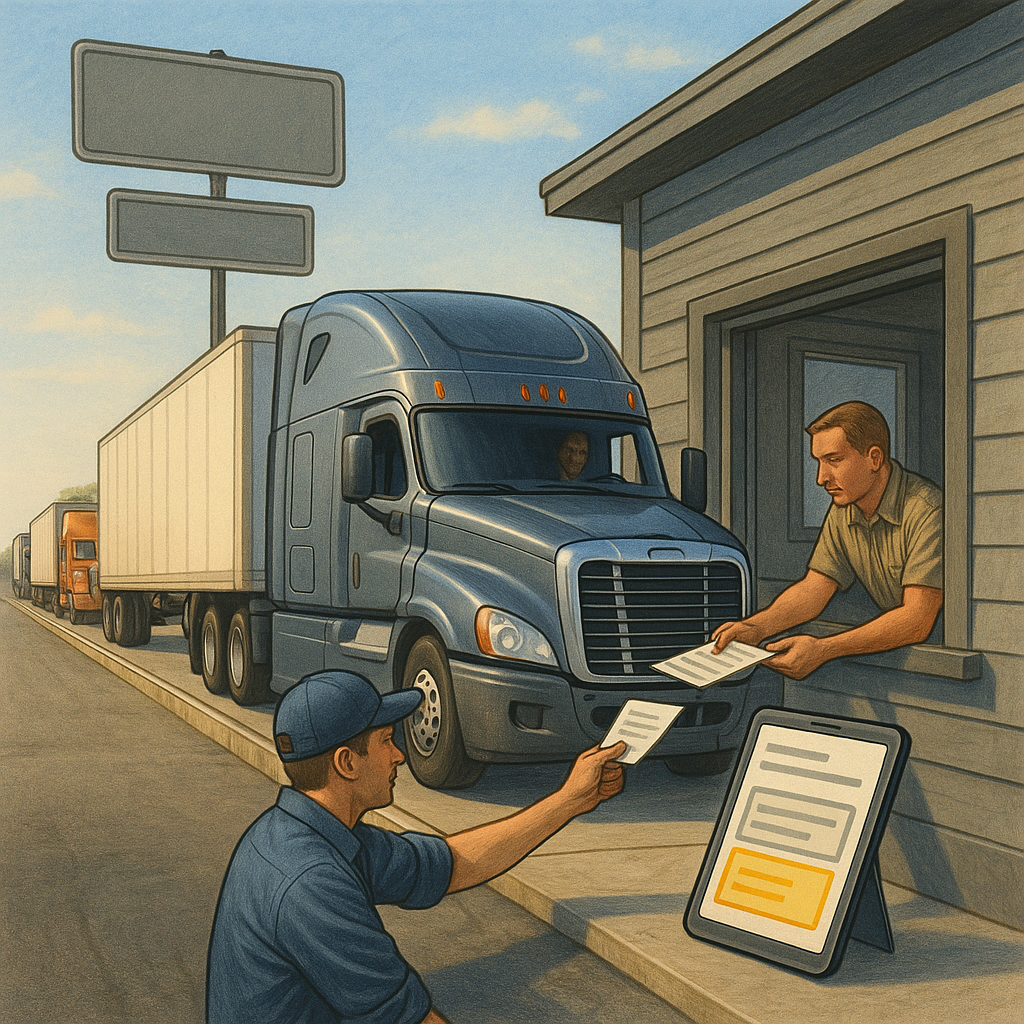
Mississippi oversize permits enable commercial carriers to transport loads exceeding legal dimensions through the Magnolia State’s extensive highway network connecting key north-south and east-west freight corridors. Mississippi’s strategic location along I-55, I-10, I-20, and I-59 makes it a crucial link for interstate commerce, requiring proper permitting for oversized equipment, machinery, and construction materials. Understanding Mississippi Department of Transportation (MDOT) regulations, coastal region considerations, river crossing restrictions, and application procedures ensures your oversized loads move legally and efficiently through Mississippi’s diverse terrain from Gulf Coast lowlands to northern hill country.
Mississippi Oversize Permits Explained
Mississippi oversize permits authorize transportation of commercial loads exceeding the state’s standard legal dimensions and weight limits. Legal limits in Mississippi include 13 feet 6 inches height, 8 feet 6 inches width, varying length restrictions by vehicle type, and 80,000 pounds gross vehicle weight. Loads exceeding these thresholds require MDOT oversize permits for legal operation on Mississippi highways.
Mississippi’s geographic diversity from coastal areas to northern hills creates varied routing considerations for oversized loads. Major river crossings over the Mississippi River and other waterways have specific bridge restrictions affecting oversized load movements. Understanding these geographic challenges helps carriers plan effective routing through the state.
Types of Mississippi Oversize Permits
MDOT issues single trip permits for one-time oversized movements through or within Mississippi, multi-trip permits for carriers making several oversized trips within specified timeframes, and annual permits for frequent oversized haulers. Single trip permits suit occasional oversized deliveries, while annual permits provide better value for carriers with regular oversized operations in Mississippi.
Superload permits handle extremely large or heavy loads requiring engineering review and special coordination. These permits involve extended processing times and higher costs due to infrastructure analysis and coordination with multiple agencies.

MDOT Permit Requirements
Mississippi oversize permit applications require complete vehicle specifications including make, model, and VIN, exact load dimensions including height, width, length, and weight, detailed routing information with specific highways and roads, and anticipated travel dates and times. Insurance documentation must demonstrate adequate coverage for the oversized movement.
Carrier credentials including motor carrier authority and DOT number are verified during application review. MDOT examines proposed routing for compatibility with state infrastructure, potentially requiring route modifications if initial proposals encounter restrictions.
Gulf Coast Specific Requirements
Mississippi’s three coastal counties (Hancock, Harrison, and Jackson) present unique considerations for oversized loads. Coastal highways experience high tourist traffic during summer months, affecting permit approval and travel time restrictions. Hurricane evacuation routes receive special scrutiny, with oversized loads potentially prohibited during hurricane season preparedness periods.
Bridge restrictions on coastal highways and waterway crossings require careful planning. Many coastal area bridges have lower weight limits or clearance restrictions compared to inland routes. Beach community access roads may prohibit oversized loads or require special local coordination.
Major River Crossing Regulations
Mississippi River crossings into Louisiana, Arkansas, and Tennessee involve some of the state’s most restrictive bridge limitations for oversized loads. Bridge weight limits, width restrictions, and clearance requirements vary by crossing location. Some bridges prohibit oversized loads entirely, requiring carriers to use alternative crossings sometimes significantly off their direct route.
Pearl River crossings between Mississippi and Louisiana, Tombigbee River crossings in eastern Mississippi, and other significant waterway bridges all have specific restrictions affecting oversized load routing. MDOT reviews proposed river crossings carefully during permit application review, ensuring bridges can safely accommodate the oversized movement.
Pilot Car and Escort Requirements
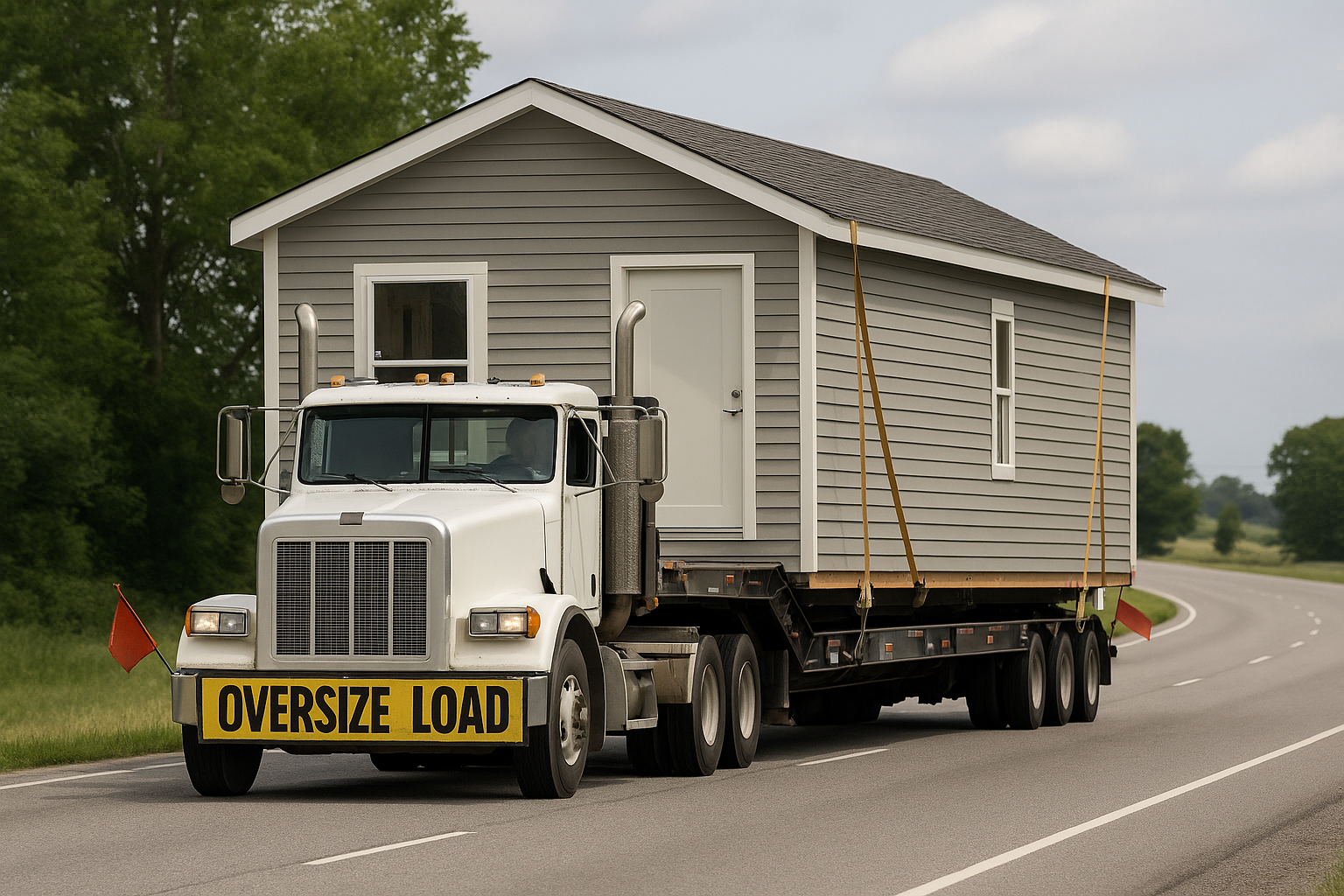
Mississippi requires pilot car escorts for oversized loads exceeding specified width and height thresholds. Typically, loads 12 feet wide or wider require at least one escort, with extremely wide loads requiring both front and rear escorts. Height-based escort requirements protect against overhead clearance issues with bridges and utility lines.
Mississippi pilot car operators must meet state equipment standards including proper signage, lighting, and communication devices. Multiple escort requirements increase costs but provide essential safety and traffic control for extreme dimension loads.
Route Planning Through Mississippi
Interstate 55 serves as Mississippi’s primary north-south corridor, connecting Louisiana to Tennessee while passing through Jackson. This heavily traveled route offers good infrastructure but experiences significant commercial traffic. Interstate 10 crosses the Gulf Coast connecting Louisiana to Alabama, providing crucial coastal access.
Interstate 20 traverses central Mississippi east-west, connecting Louisiana to Alabama while passing through Vicksburg, Jackson, and Meridian. Interstate 59 provides a northeast corridor from Louisiana through southeastern Mississippi into Alabama. US highways supplement the interstate system, accessing more rural areas with varying road conditions.
Jackson Metro Area Regulations
Jackson, Mississippi’s capital and largest city, sits at the intersection of Interstate 55 and Interstate 20. The metro area includes complex interstate exchanges and urban routing challenges affecting oversized load movements. Peak traffic congestion during morning and evening rush hours may restrict permitted travel times through the metro area.
Alternative routing around Jackson exists via bypass routes, though most through-travel uses the main interstate corridors. Oversized loads should verify clearances for specific routing through Jackson’s urban infrastructure.

Professional Permit Services
Mississippi’s river crossing restrictions and coastal area considerations make professional permit services valuable for carriers planning oversized movements through the state. Reliable Permit Solutions understands MDOT requirements and can coordinate permit applications while identifying optimal routing that accommodates infrastructure restrictions.
Expert route consulting helps carriers avoid unnecessarily restrictive routes while ensuring compliance with bridge weight limits and clearance requirements. Professional permit coordination streamlines the application process and provides compliance assurance.
Conclusion
Mississippi oversize permits require understanding of MDOT requirements, river crossing restrictions, and coastal area considerations. Proper permit acquisition and route planning ensures legal and efficient oversized load transportation through the Magnolia State.
For professional assistance with Mississippi oversize permits, contact Reliable Permit Solutions at (888) 949-4220. Their experienced team handles MDOT permitting and route optimization for seamless oversized load movements through Mississippi.